

 BioCAM4 Co-Creation Workshop in Kenya The BioCAM4 Kenya Co-creation Workshop, led by the African Research and Impact Network (ARIN) and in collaboration with the German Institute for Development and Sustainability (IDOS), was held December 8-10, 2025. This two-day workshop, followed by a field visit to the Kakamega Forest, sets the foundation for framing ambition for Nature-based Climate Action in the Lake Region Economic Bloc (LREB) under ARIN’s leadership and the launch of the LREB Community of Practice, to work on research and impact integrating biodiversity, climate, and human health through locally grounded Nature-Based Climate Actions (NBCAs). View more pictures from the workshop, or read the summary written by the ARIN team.
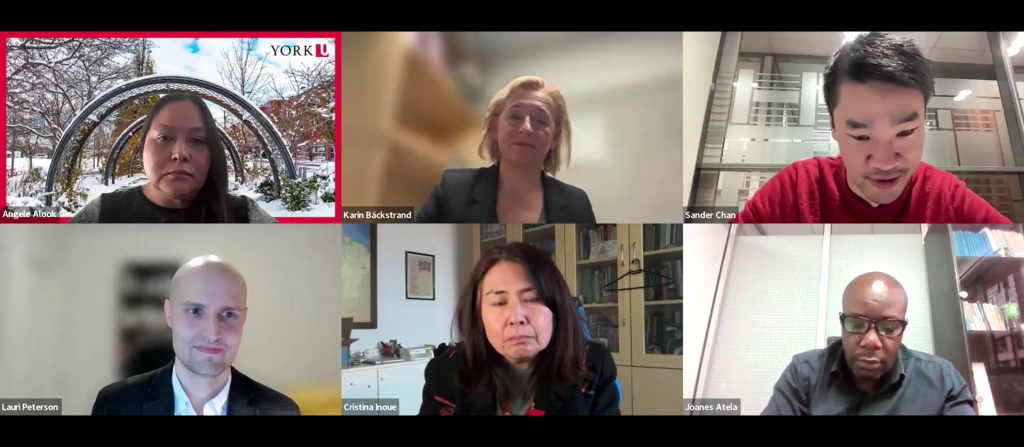 Recently, BioCAM4 and ACHIEVE invited speakers from their projects and networks to hold an online panel discussion regarding their participation in COP30. The event was moderated by Sander Chan, Assistant Professor, Department of Geography, Planning and Environment, Nijmegen School of Management, Radboud University. Panellists shared their insights on important outcomes, key issues and areas of improvement of this year’s COP. Five key takeaways stood out from the discussion.
Read the five key takeaways or watch the entire COP30 Debrief event.
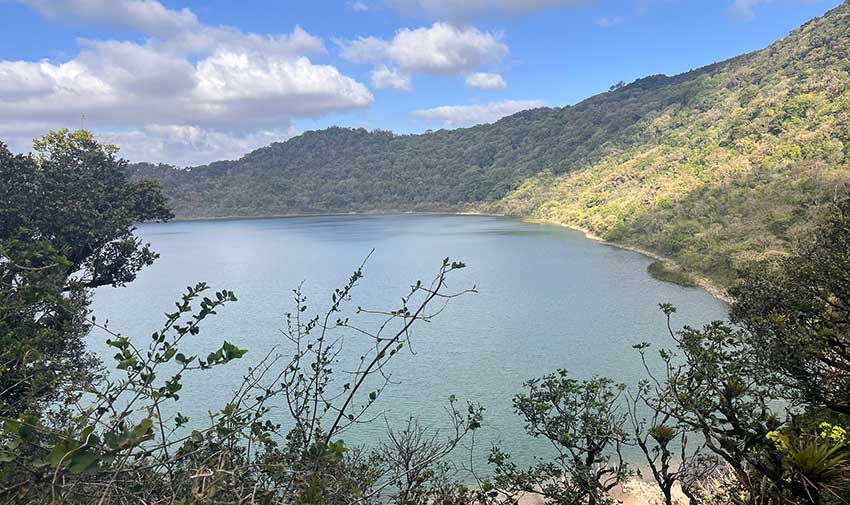 Researchers from CATIE and York University, Canada, conducted fieldwork in Chiquimula, Guatemala, to deepen the understanding of governance conditions, coordination and collective action that can strengthen climate responses based on nature.

New Paper
From pledges to places: action agendas need spatial data to integrate climate and biodiversity action
Our new paper in Nature calls for policymakers to ensure that the integration of climate and biodiversity action by non-state and subnational actors be anchored in spatial data. Otherwise, we cannot see where change is happening, how effective it is, or who bears costs and benefits. The UNFCCC Global ClimateAction and CBD Action Agenda Portals should lead by requiring spatial details on implementation, enabling more credible and participatory monitoring, analysis, and collaboration. Learn more.
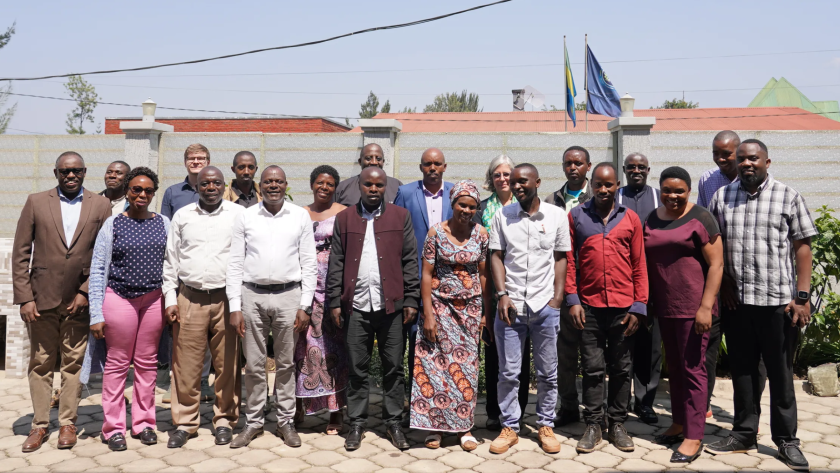
On 30th July 2025, the Greater Virunga Transboundary Collaboration (GVTC), in partnership with the German Institute of Development and Sustainability (IDOS), successfully hosted the BioCAM4 Co-Design Workshop at La Palme Hotel in Musanze, Republic of Rwanda. The event brought together key stakeholders from government agencies, conservation organizations, and local communities to jointly shape the Rwanda case study for the BioCAM4 Project. Read more…


