Skip to content Skip to footer
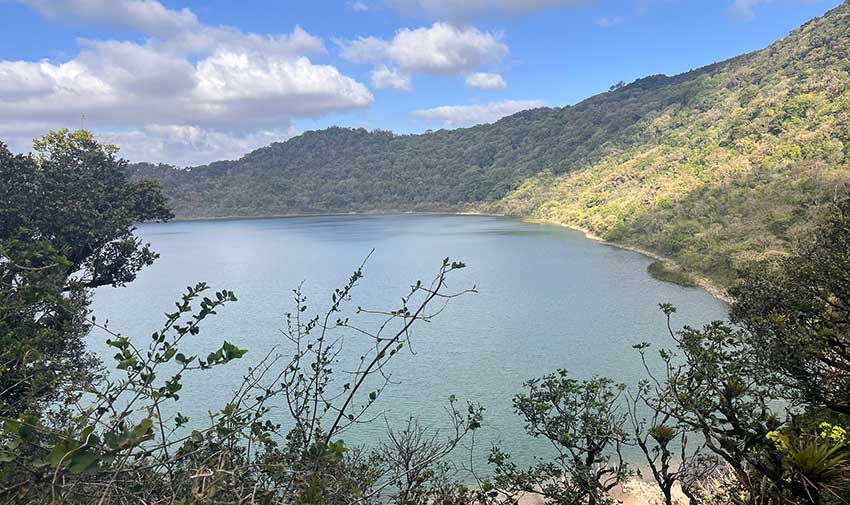
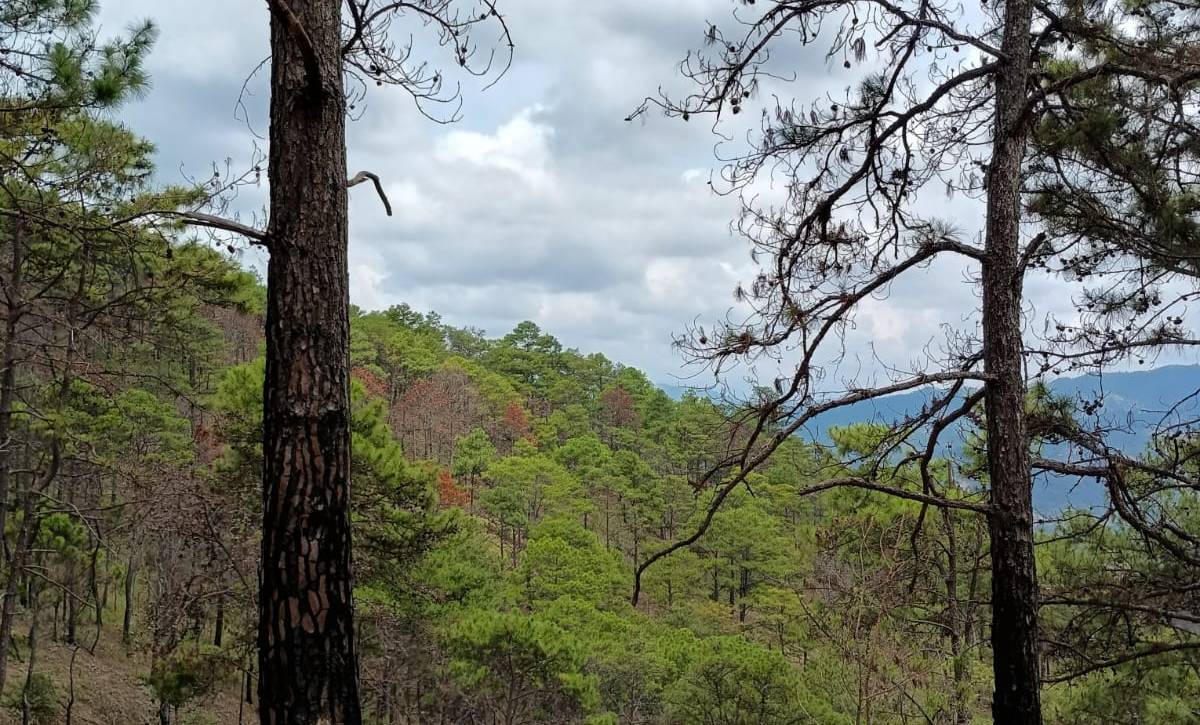
Landscape Chiquimula, Guatemala

CATIE and York University researchers analyze the potential of nature-based actions in Trifinio

Researchers from CATIE and York University, Canada, conducted fieldwork in Chiquimula, Guatemala, to deepen the understanding of governance conditions, coordination and collective action that can strengthen climate responses based on nature.  An international research initiative focused on landscapes From March 2 to 6, researchers from the Tropical Agricultural Research and Higher Education Center (CATIE) and York…
Read More

Photo from report cover page

Expert Contribution to the UNEP White Paper: From Silos to Synergies

From July to October 2025, Professor Idil Boran, BioCAM4 Principal Investigator and Executive Director, participated as a contributing expert in a web-based dialogue series organized by the United Nations Environment Programme (UNEP) with support from the German Federal Ministry for the Environment, Climate Action, Nature Conservation and Nuclear Safety. The dialogue’s objective was to bring…

Read More

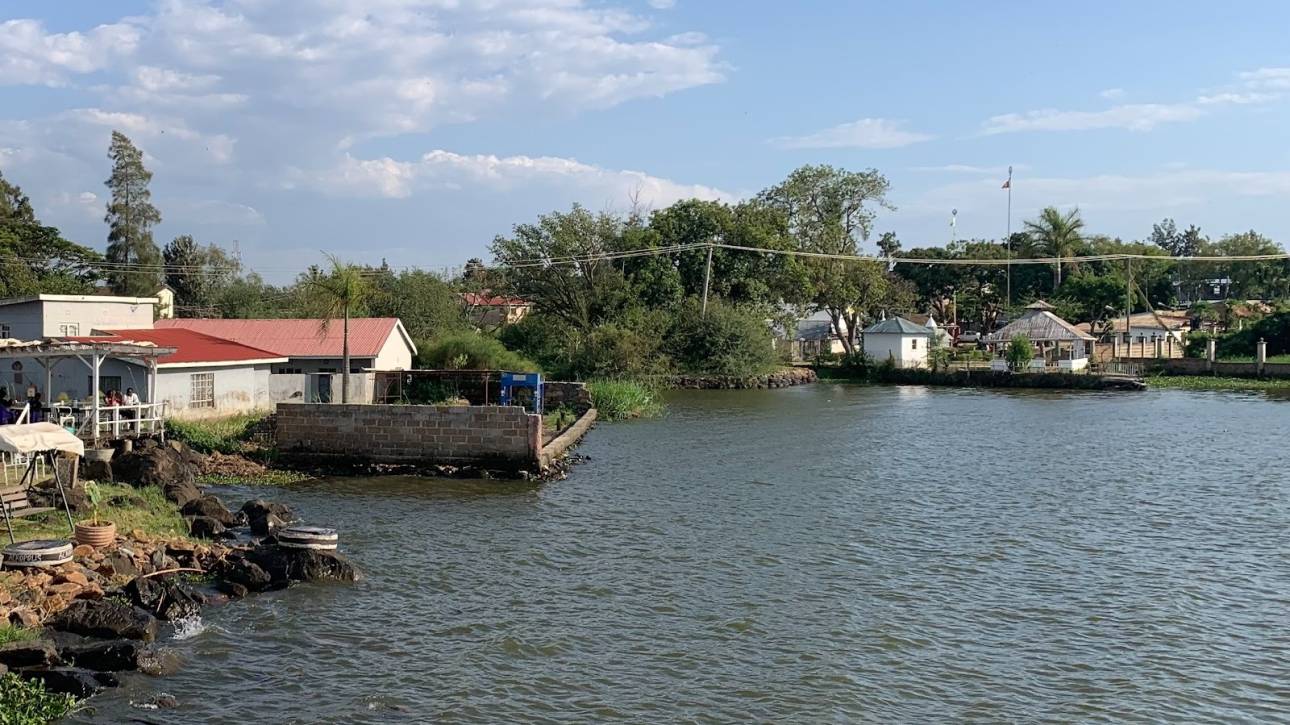
Lake Victoria connecting land and communities, Kisumu, Kenya

Connecting Forests and Wetlands to Climate Adaptation in East Africa

On February 2, the world marked World Wetlands Day, highlighting the essential role wetlands play in sustaining ecosystems, livelihoods, and human health. Our partner Africa Research & Impact Network (ARIN) commemorated the occasion with a blog underscoring a shared understanding across our work: wetland health is deeply interconnected with forests, rivers, and the communities…

Read More

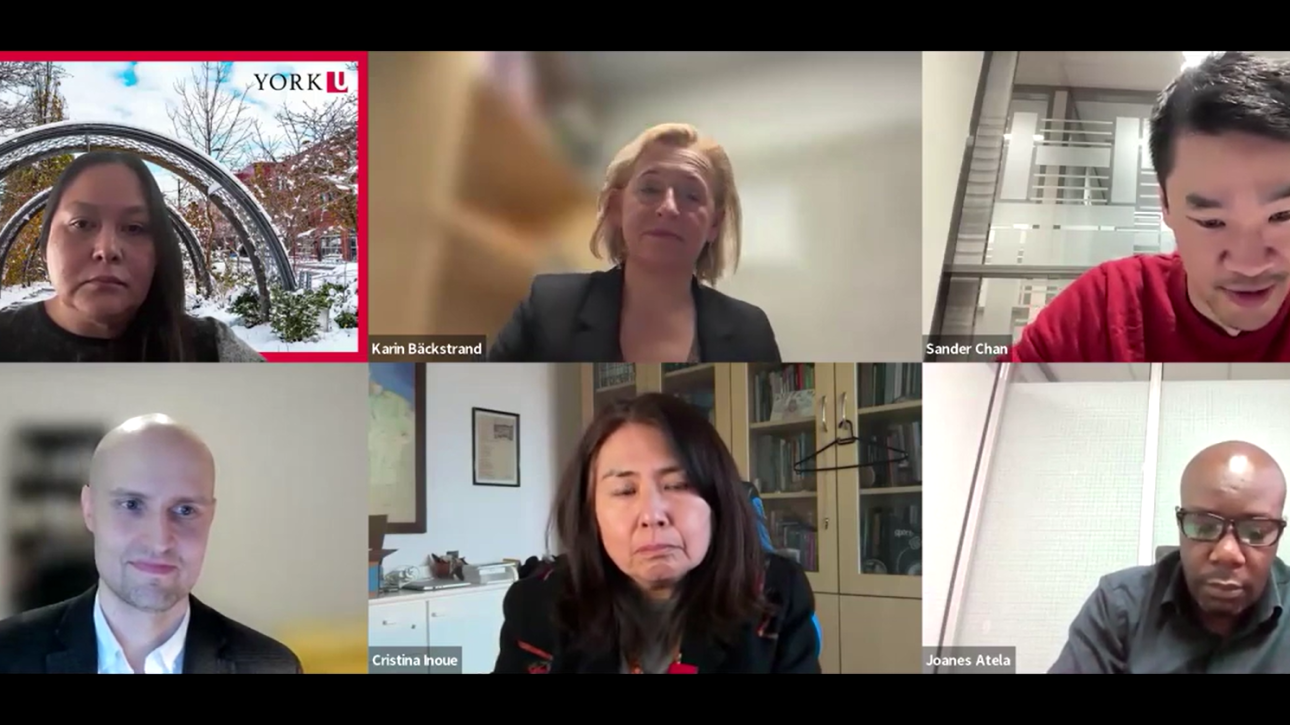
A screenshot of the BioCAM4 COP30 Debrief zoom meeting

Five Key Takeaways from our COP30 Debrief

By Eman Alkobais, research assistant at BioCAM4 and undergraduate student in the Bachelor of Environmental Studies Cities, Regions Planning Program at York University Recently, BioCAM4 and ACHIEVE invited speakers from their projects and networks to hold an online panel discussion regarding their participation in COP30. The event was moderated by Sander Chan, Assistant Professor, Department of…

Read More

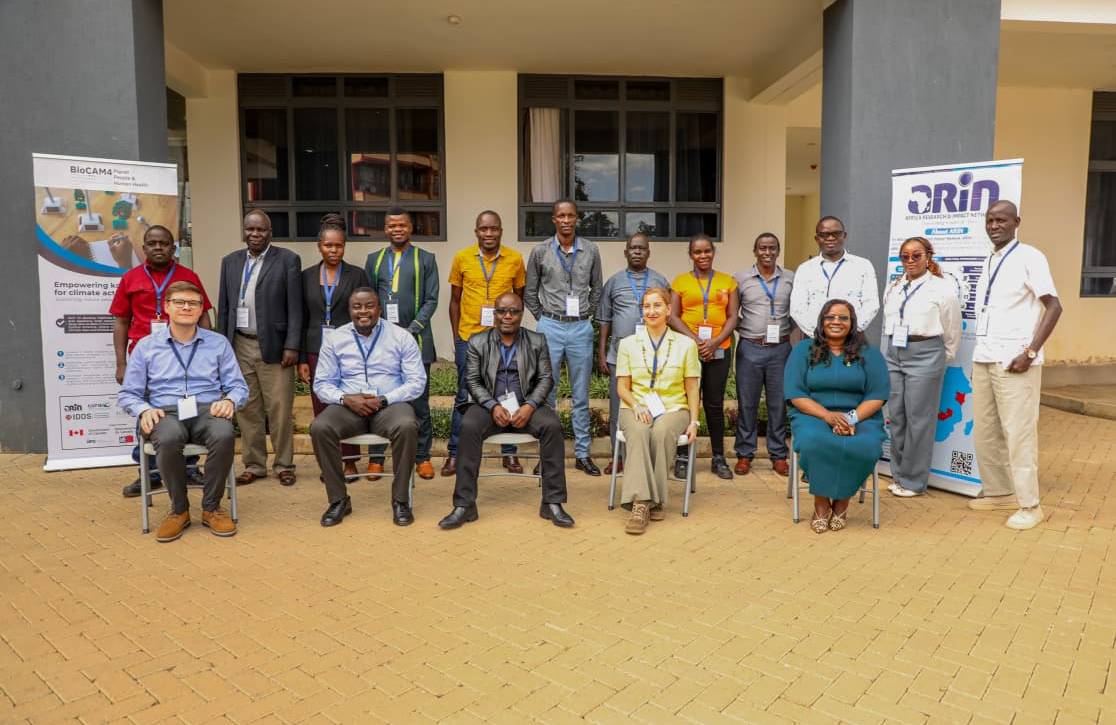
ARIN and BioCAM4 workshop team photo in front of the building

Strengthening Climate–Nature–Health Action in the Lake Region Economic Bloc: Reflections from the BioCAM4 Workshop in Kakamega, Kenya

Authors: Humphrey Agevi, Tim Möschl, Ann Irungu, Florence Onyango, Joanes Atela, and Idil Boran A cross-section of participants at the BioCAM4 Kakamega Workshop The Africa Research and Impact Network (ARIN), in collaboration with the German Institute of Development and Sustainability (IDOS) and York University, successfully convened the BioCAM4 Kakamega Workshop: Stakeholder scoping and deep dive study preparation…

Read More

Participants of the BioCAM4 Co-Creation Workshop in Kenya. This photo is at a site visit in site visit to the Kakamega Tropical rainforest

BioCAM4 Co-Creation Workshop in Kenya Marks a Major Project Milestone

BioCAM4 held its first co-creation workshop in Kakamega, Kenya, December 8-10—its second on the African continent following the Rwanda workshop in July—marking an important milestone in the project’s implementation. The workshop was hosted by BioCAM4 partner, the African Research and Impact Network (ARIN), under the leadership of ARIN’s Executive Director, Dr. Joanes Atela, and research…

Read More

Photo by Neil Palmer/CIAT

Why science-policy platforms matter for advancing synergies across the Rio Conventions

By Idil Boran, Professor of Environmental Governance, York University COP30, the 30th Conference of the Parties under the United Nations Framework Convention on Climate Change (UNFCCC) is currently underway in the Amazonian city Belém, Brazil, from November 10-21, 2025. The meeting marks thirty years since the adoption of the Rio Conventions—the UNFCCC, the Convention on…

Read More

Ten Years of Global Climate Action Insights from the CoAct Database

Ten Years of Global Climate Action Insights from the CoAct Database

Over the past decade, cooperative climate action has become a central feature of global climate governance. Thousands of businesses, subnational governments, civil society organizations, and international partnerships have mobilized to complement and support multilateral and state-led efforts. Using insights from the CoAct Database (formerly N-CID), and data from a sample of 387 initiatives, this chapter…

Read More

COP30 side event

Climate, Nature & People: Advancing the Global Mutirão Vision

A diverse panel shares how high-integrity climate actions can simultaneously advance climate adaptation, resilience, biodiversity, and social justice goals. With global and local insights, the event supports the COP30 “Global Mutirão” vision and deeper collaboration across the Rio Conventions. Join us at COP30! Thursday, 20 November 2025 18:30–20:00 Side Event Room 2 As the…

Read More

map of world with pins, to represent spatial data

From pledges to places: action agendas need spatial data to integrate climate and biodiversity action

As COP30 approaches, policymakers must ensure that the integration of climate and biodiversity action by non-state and subnational actors is anchored in spatial data. Otherwise, we cannot see where change is happening, how effective it is, or who bears costs and benefits. The UNFCCC Global Climate Action and CBD Action Agenda Portals should lead by…

Read More

Group picture of the participants of the co-design workshop held in Musanze, Rwanda

GVTC Hosts BioCAM4 Co-Design Workshop in Musanze, Rwanda

On 30th July 2025, the Greater Virunga Transboundary Collaboration (GVTC), in partnership with the German Institute of Development and Sustainability (IDOS), successfully hosted the BioCAM4 Co-Design Workshop at La Palme Hotel in Musanze, Republic of Rwanda. The event brought together key stakeholders from government agencies, conservation organizations, and local communities to jointly…

Read More

BioCAM4

Biodiversity Integration in Climate Adaptation and Mitigation Actions for Planet, People, and Human Health

BioCAM4

BioCAM4 is supported in part by funding from the Government of Canada’s New Frontiers in Research Fund (NFRF).

BioCAM4 est financé en partie par le fonds Nouvelles frontières en recherche du gouvernement du Canada.

Funders

BioCAM4 © 2026. All Rights Reserved. Designed By Chameleon Ideas Inc.